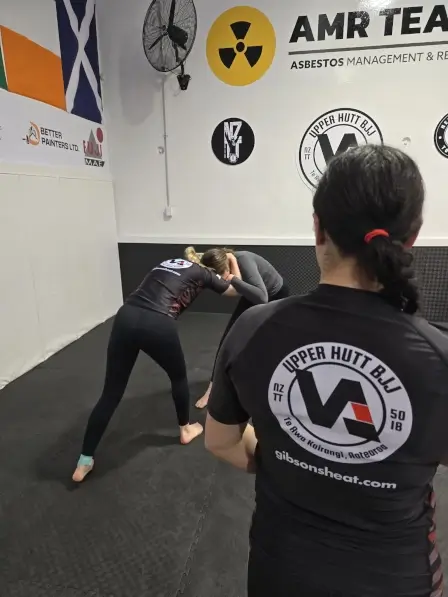

Brazilian Jiu Jitsu (BJJ) is more than just a martial art—it’s a powerful tool for improving mental health and overall wellbeing. Training challenges both the body and the mind, creating a balance that supports personal growth on and off the mats.
One of the biggest benefits is stress relief. Rolling and drilling techniques provide an outlet for daily pressures, helping clear the mind and reduce anxiety. The focus required in BJJ forces students to be fully present, making it a form of mindfulness in motion.
BJJ also builds resilience and confidence. Facing challenges in training, learning to stay calm under pressure, and overcoming setbacks all translate directly into life skills. Students often notice improved problem-solving, patience, and self-belief in everyday situations.
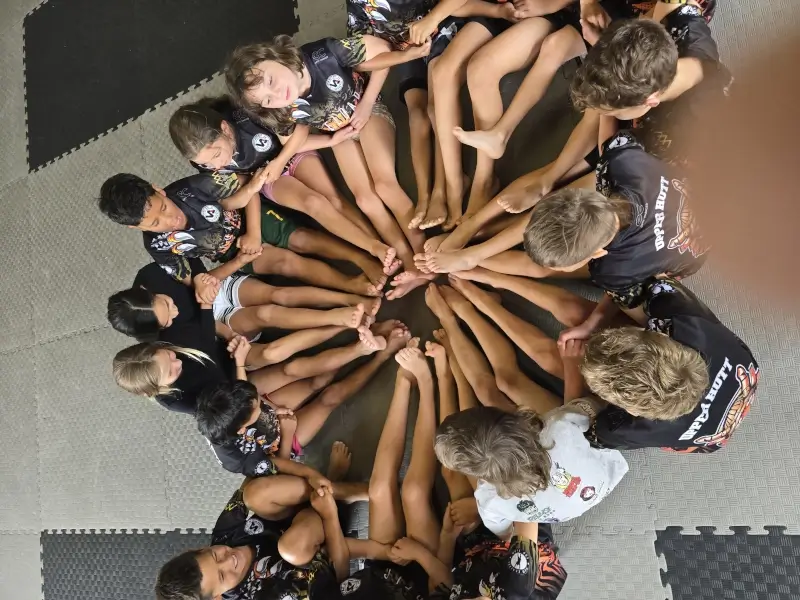
Equally important is the sense of community. Training partners become a support network, offering encouragement, accountability, and genuine friendships. This positive environment fosters belonging and connection—key factors in maintaining good mental health.
For many, BJJ becomes more than exercise—it’s a way to reset, recharge, and strengthen both mind and body. By supporting resilience, mindfulness, and social connection, Brazilian Jiu-Jitsu is an excellent pathway to better mental well-being.
Brazilian Jiu Jitsu for Mental Health & Wellbeing: The Male Perspective in New Zealand
Mental health issues affect people of all genders, but men in New Zealand face particular risks and challenges. With rising rates of suicide, stigma around seeking help, and often unexpressed emotional distress, finding healthy ways to cope is more important than ever. Brazilian Jiu Jitsu (BJJ) can be a potent tool in this context—not just for physical wellbeing, but for psychological and emotional health.
Key Mental Health Statistics for Men in New Zealand
- Men are more than twice as likely as women to die by suicide. Umbrella Wellbeing Ltd+3Mental Health NZ+3NZ Herald+3
- In the year ending June 2023, the suspected suicide rate for males was 15.2 per 100,000, compared with 6.0 per 100,000 for females. Newstalk ZB
- About 1 in 8 New Zealand men will experience serious depression during their lifetime. Men’s Health Week
- In the 2022/23 Health Survey, 10.2% of men (aged 15+) reported high or very high levels of psychological distress in the past four weeks. Ministry of Health NZ+1
- However, men are less likely to seek help for emotional or mental health issues. Social norms about masculinity, fears of weakness, and possibly lack of awareness are cited as barriers. Umbrella Wellbeing Ltd+2Pathways+2
How Brazilian Jiu-Jitsu Helps with Mental Health
Here are ways BJJ can assist in alleviating symptoms and improving well-being for men, in light of the stats above:
- Stress Reduction and Anxiety Relief
Physical exertion during training (pressure sparring, drilling, flowing) releases endorphins, reduces cortisol, and helps clear the mind. This can offset high psychological distress. For men who may bottle up stress, BJJ provides an outlet. - Building Confidence and Self–Efficacy
Mastering techniques, seeing improvement over time, and solving physical problems on the mats builds self‐belief. This is especially important when mental health is affected by feelings of inadequacy or low self-worth. - Emotional Regulation & Mindfulness under Pressure
BJJ forces you to remain calm under discomfort, to think tactically, adjust, and respond rather than react. These skills carry over off the mat in daily stress, relationship challenges, or emotional upsets. - Social Support & Connection
Training partners become like a community. Having reliable roles and people you trust helps counter social isolation. For men, who often under-utilize talking about feelings, having teammates who “get it” can be a powerful buffer. - Routine, Physical Health & Better Sleep
Regular training improves fitness, sleep, general physical health—factors closely tied to mental wellbeing. Better sleep and physical resilience help reduce symptoms of depression and anxiety. - Overcoming Stigma & Changing Identity
By participating in something requiring vulnerability (learning, failing, getting tapped, showing up despite fear), men can challenge internalised ideas about what being “strong” means. BJJ normalizes struggle, learning, and growth.